

Subscribe to our Newsletter
SHARE THIS BLOG
In a normal shop, inventory is simple: you bought it, you own it, you sell it. Consignment flips that. Every item on your floor belongs to someone else, and each of those someones wants to know if it sold, what they’re owed, and when they get their unsold pieces back.
That’s the real job of consignment inventory software: not just counting stock, but knowing whose stock it is, what state each item is in, and how every sale ties back to the right consignor and payout. This guide covers what that software actually has to do, the point where a spreadsheet stops coping, and how to run the whole thing inside Shopify.
Why Consignment Inventory Is Harder Than Normal Retail
Regular retail inventory answers one question: how many do I have. Consignment inventory has to answer four more at the same time:
Whose is it? Every item belongs to a specific consignor, and that link can never be lost.
What state is it in? On the floor, sold, returned, or past its consignment period.
What’s it worth to each side? Each item carries a commission split, so a sale isn’t just revenue, it’s a payout owed.
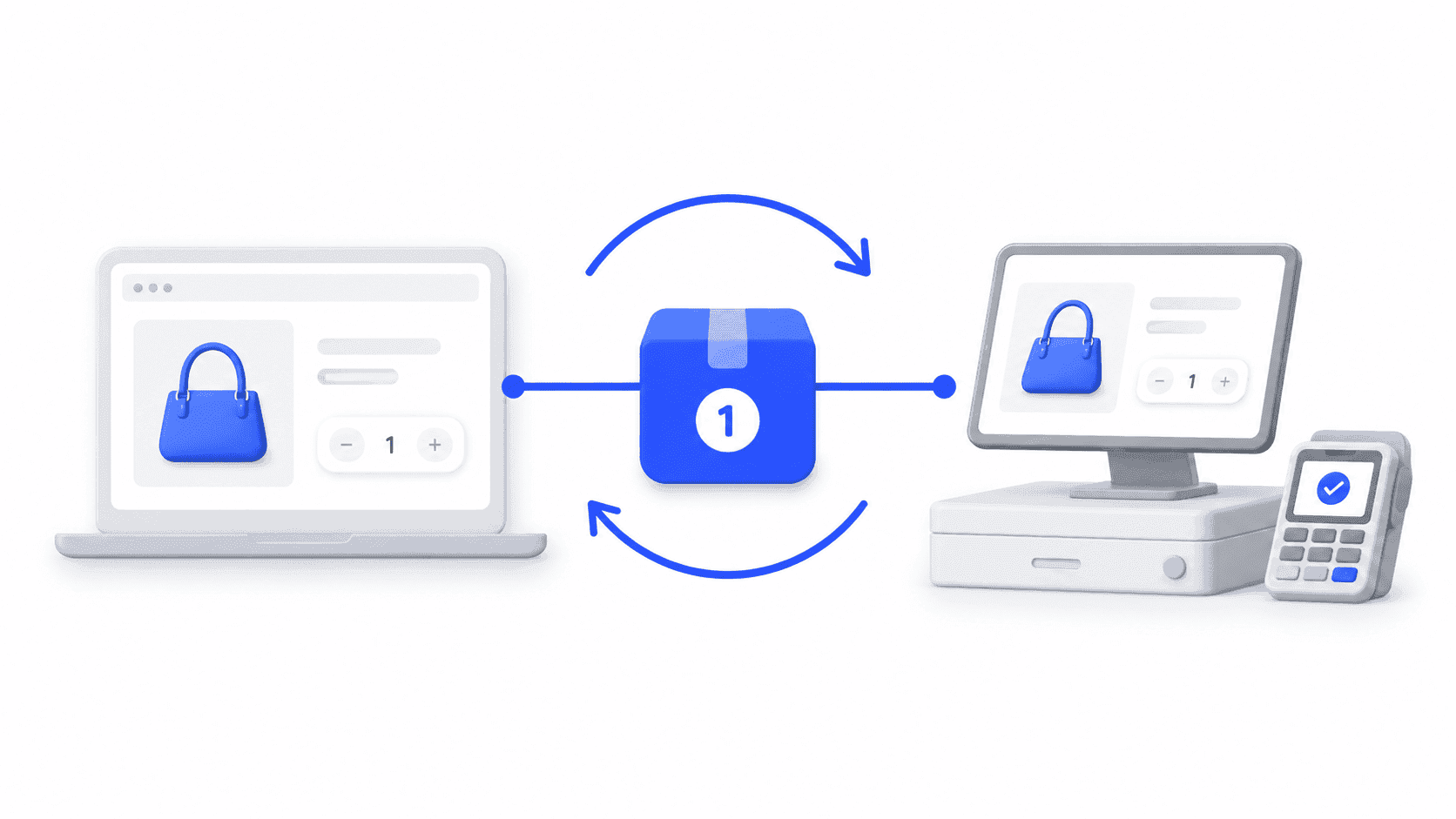
Is it in sync everywhere? If you sell online and in store, the same single item can’t be sold twice.
Miss any one of these and the money stops adding up. Sell a consigned item online that already sold at the register, and you’ve taken money for something you can’t ship. Lose the link between an item and its consignor, and you can’t pay them correctly. That’s why a plain stock count isn’t enough here.
What Consignment Inventory Software Has to Do
1. Tie every item to its consignor
The moment an item comes in, it has to be tagged to the person who owns it, and that tag has to survive all the way through to the sale and the payout. This is the foundation everything else sits on.
Resale and secondhand shops have the same problem in a harder form, since almost every item is one of a kind and never restocks.
2. Track each item’s status
Active on the floor, sold, returned to the consignor, or expired past the agreed period. You should be able to see, at any moment, exactly what you’re holding and whose it is, without counting shelves.
3. Keep in-store and online stock in sync
If a jacket sells at the register, it has to disappear from your online store in the same instant, and the other way around. One shared stock count across both channels is what stops you overselling a one-of-a-kind item.
4. Connect each item to its commission and payout
Inventory and money aren’t separate systems in consignment. Each item already knows its split, so when it sells, the consignor’s share is worked out automatically and lands in their payout. No re-keying, no separate spreadsheet.
5. Handle the end of the consignment period
Items don’t stay forever. When a piece passes its agreed period unsold, the software should flag it so you know what to return, mark down, or donate, instead of letting dead stock pile up unnoticed.
Signs You’ve Outgrown Your Spreadsheet
A spreadsheet is fine for your first handful of consignors. The wheels come off around 30 to 50 active consignors, and the signs are always the same:
You dread month-end because reconciling sales against consignors takes a full day.
A consignor asks “did my item sell?” and you have to go digging to answer.
You’ve oversold a one-off item because the online store didn’t know it sold in person.
You’re not sure what’s sitting on your floor past its return date.
Adding a new consignor means another tab, another set of formulas, another thing to break.
If two or more of those sound familiar, the spreadsheet has become the bottleneck, not the tool.
How PuppetVendors Handles Consignment Inventory
PuppetVendors adds the consignment layer directly inside Shopify, so your inventory, register, online store, and payouts are all one system instead of a stack you stitch together.
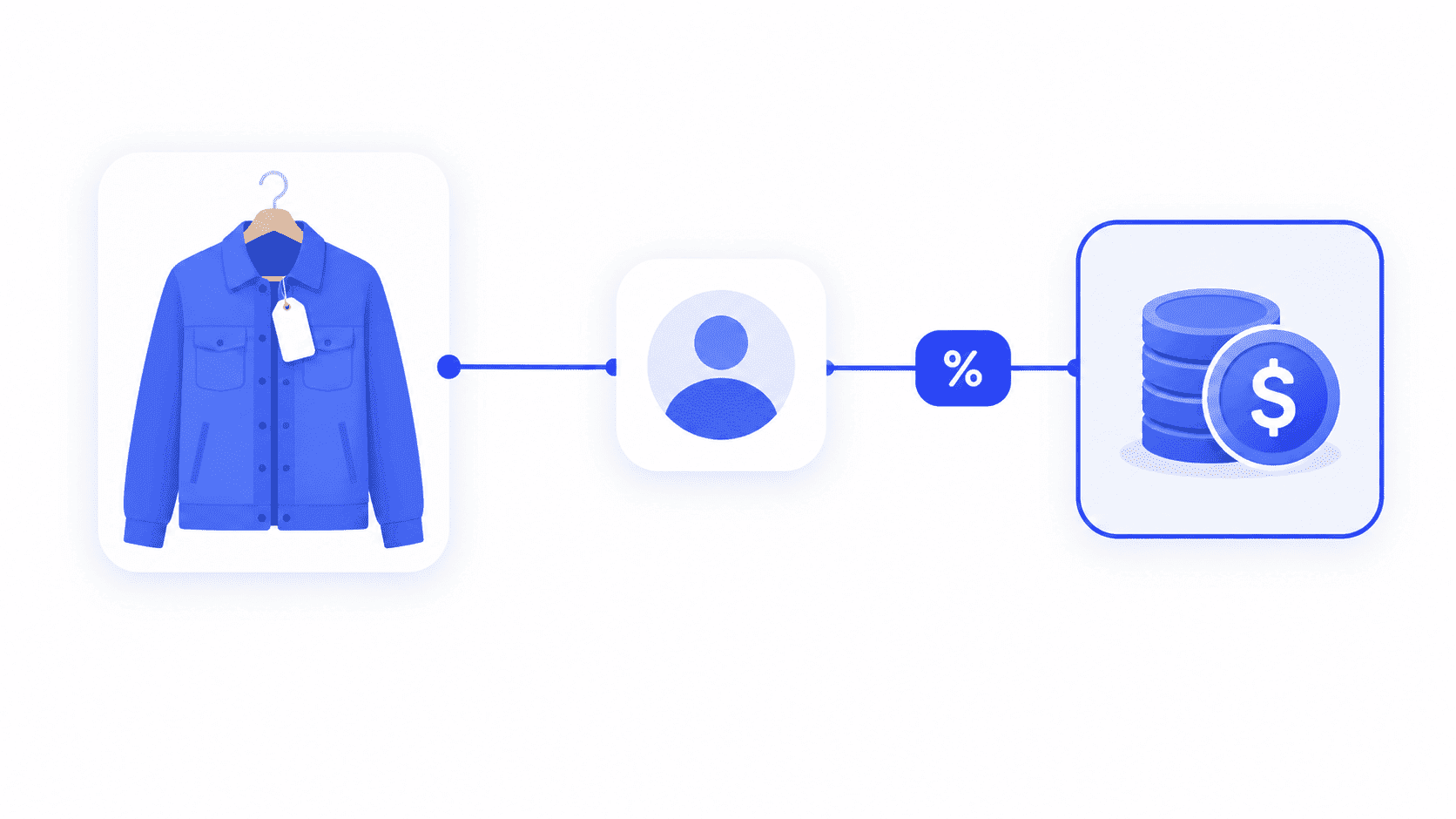
Here’s what that means for inventory:
Every item is tied to its consignor as a vendor in Shopify, and that link carries through to the sale and the payout automatically.
Stock is shared across online and Shopify POS, so a sale in either place updates the other instantly. No double-selling your one-of-a-kind pieces.
Each item’s commission is built in, so when it sells, the consignor’s cut is calculated and added to their payout with no extra step.
Consignors see their own items through a self-service portal: what’s live, what sold, and what they’ve earned, in real time. That alone kills most of the “did my item sell?” messages.
It all runs on the store you already have. No separate inventory system to reconcile against Shopify, because the inventory is Shopify.
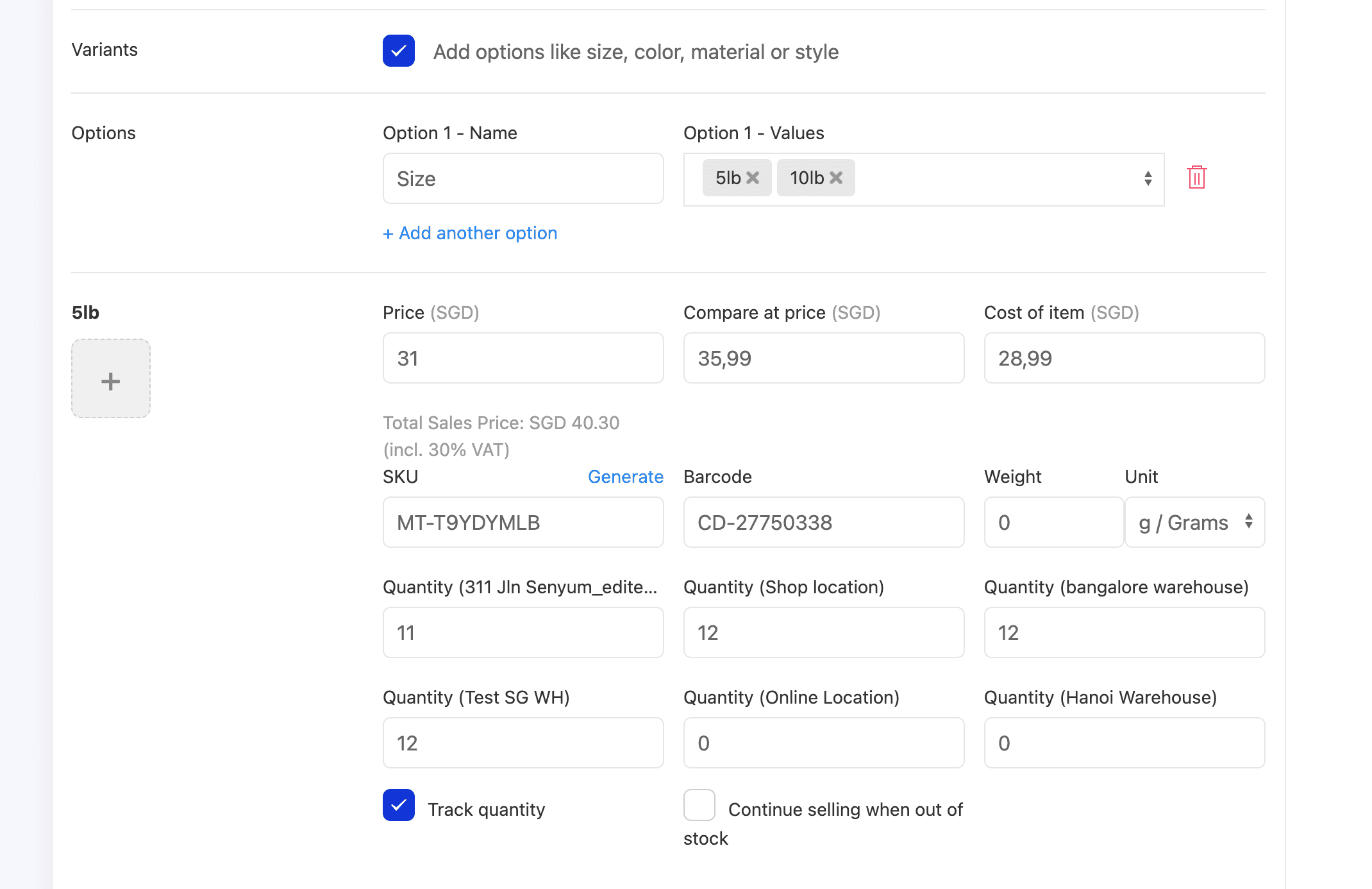
PuppetVendors keeps your Shopify data synced automatically.
To be clear, Shopify on its own doesn’t do the consignment part; PuppetVendors is the layer that adds it. The difference from a standalone consignment system is that there’s nothing to sync. Products, orders, and stock already live in Shopify, and PuppetVendors works on top of the same data. PuppetVendors starts at $49/month with a free trial, and most stores are tracking their first consignor’s items the same day.
If your consignment inventory has turned into a spreadsheet you no longer trust, that’s the sign it’s time for software built for it.
FAQ
What is consignment inventory software? It’s software that tracks items you’re selling on behalf of other people. On top of a normal stock count, it records which consignor owns each item, what state the item is in, and how each sale splits between you and the consignor, so the inventory and the payouts stay connected.
Can I just use a spreadsheet? For your first handful of consignors, yes. It usually breaks around 30 to 50 active consignors, when reconciling sales, keeping online and in-store stock in sync, and answering consignor questions turn into a daily job. That’s the point most stores move to real software.
How do I stop overselling a one-of-a-kind item? You need a single shared stock count across your online store and your register, so a sale in one place updates the other instantly. With PuppetVendors, in-store and online sales both run through Shopify, so the item disappears from every channel the moment it sells.
Does the inventory connect to consignor payouts? It should. In consignment, inventory and money aren’t separate. With PuppetVendors, each item already carries its commission split, so when it sells, the consignor’s share is calculated and added to their payout automatically.
Do consignors get to see their own inventory? Yes. Every consignor gets a self-service portal showing which of their items are live, what sold, and what they’ve earned in real time, so they stop asking you for updates.
How much does PuppetVendors cost? It starts at $49/month, with larger plans as you grow and a free trial to test it against your current setup. There are no per-order fees.